APP APP175823S01 Front Left Cv Axle Shaft 3.5L
fits model: Altima, Maxima. make: Nissan. year: 2016–2020.
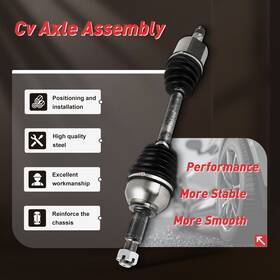
( Brand: App ), ( Manufacturer Part Number: APP175823S01 ), ( Part Type: Cv Axle Shaft ), ( Placement On Vehicle: Front, Left ), ( Fitment Type: Direct Replacement ), ( Surface Finish: Painted ), ( Non-domestic Product: No ), ( Fitment 1: Nissan Altima ), ( Fitment 2: Nissan Maxima ), ( Colour: Black ), ( Weight: 18l ), ( Manufacturer Warranty: 1 Year ), ( Material: Steel ), ( Oe Spec Or Performance/custom: Performance/custom ), ( Input Shaft Connection Style: Spline ), ( Number Of Inboard Splines: 27 ), ( Number Of Outboard Splines: 25 ), ( Note: Verify This Part Fits Your Vehicle ), ( Axle Nut Locking Type: Self Lock ), ( Spindle Nut Included: Yes ), ( Spindle Nut Thread Size: M24x2.0 )
Review APP Front Left Cv Axle Shaft Assembly Nissan 3.5l fits ALTIMA MAXIMA 2016–2020
Introducing the App175823S01 Front Left CV Axle Shaft, specifically designed for Nissan Altimas and Maximas with a 3.5L engine produced between 2016 and 2020. This premium axle shaft is an essential component of your vehicle's drivetrain system, ensuring optimal power transfer from the transmission to the wheels.
Each axle shaft is meticulously crafted from high-strength steel, providing superior durability and resistance to wear and tear. Its CV (Constant Velocity) joint design allows for a smooth, continuous connection between the transmission and the wheel, minimizing power loss and enhancing your driving experience.
The front left CV axle shaft in this set comes with a factory-matched finish, ensuring seamless integration with your existing drivetrain components. It also features precision-machined splines for a secure connection to the transmission and the wheel hub, preventing unwanted play and maintaining the alignment of your suspension system.
Additionally, this axle shaft is designed to be an OEM (Original Equipment Manufacturer) replacement, meaning it meets or exceeds the same quality standards as the one originally installed on your vehicle. By choosing an OEM replacement, you can rest assured that you're receiving a part that is built to last and will provide the same level of performance as your original component.
Installing the App175823S01 Front Left CV Axle Shaft is a straightforward process, making it an excellent option for DIY enthusiasts. However, if you prefer to have your vehicle serviced by a professional, we recommend consulting with a certified mechanic to ensure the job is done correctly and efficiently.
In summary, the App175823S01 Front Left CV Axle Shaft is a high-quality, durable, and precisely engineered component designed to keep your Nissan Altimas and Maximas with a 3.5L engine performing at their best. Its OEM design guarantees a seamless fit, and its superior materials and construction promise long-lasting performance. Upgrade your drivetrain today with this essential replacement part.
Buying a Front Left CV Axle Shaft for Nissan Altima and Maxima (2016-2020, 3.5L): Pros, Cons, and Conclusion
The front left CV axle shaft is an essential component of the drivetrain system in Nissan Altima and Maxima vehicles produced between 2016 and 2020 with a 3.5L engine. Replacing a faulty axle shaft can improve vehicle performance and prevent further damage to other components. In this article, we will discuss the pros and cons of buying a new front left CV axle shaft for your Nissan.
Pros:1. Improved Vehicle Performance: A worn-out or damaged CV axle shaft can cause vibrations and clunking sounds while driving. Replacing the faulty component can result in smoother and quieter operation.
2. Enhanced Safety: A damaged CV axle shaft can lead to a loss of steering control or even a complete axle disconnection, which can be dangerous. Replacing the faulty component ensures the safety of the driver and passengers.
3. Long-Term Savings: Neglecting a faulty CV axle shaft can lead to more extensive and costly repairs in the future. By addressing the issue promptly, you can save money in the long run.
4. Better Gas Mileage: A worn-out CV axle shaft can cause increased friction and resistance, leading to decreased fuel efficiency. Replacing the faulty component can help improve your vehicle's gas mileage.
5. Peace of Mind: Knowing that your vehicle's drivetrain system is in good working order can give you peace of mind and confidence in your vehicle's reliability.
Cons:1. Cost: Replacing a CV axle shaft can be a costly repair, especially if you choose to have it done at a dealership or repair shop. The cost can vary depending on the labor rates and the specific make and model of your vehicle.
2. Time Consuming: The repair process can take several hours, depending on the complexity of the job and the availability of the necessary tools and equipment. This can be inconvenient, especially if you rely on your vehicle for daily commuting.
3. Potential for Additional Repairs: A worn-out CV axle shaft can be a sign of other potential issues with your vehicle's drivetrain system. Replacing the axle shaft may uncover additional repairs that can add to the overall cost of the repair.
Conclusion:Replacing a faulty front left CV axle shaft for your Nissan Altima or Maxima (2016-2020, 3.5L) can provide several benefits, including improved vehicle performance, enhanced safety, long-term savings, better gas mileage, and peace of mind. However, the repair can be costly and time-consuming, and there is a potential for additional repairs to be discovered during the process. Ultimately, the decision to replace the CV axle shaft depends on the severity of the issue, the vehicle's condition, and your personal priorities and budget. If the issue is causing significant problems with your vehicle's performance or safety, it may be worth the investment to replace the faulty component. If you are unsure about the extent of the damage or the repair process, it is recommended to consult a professional mechanic for advice.
Recommendation:If you suspect that your front left CV axle shaft is faulty, it is recommended to have it inspected by a professional mechanic. They can diagnose the issue accurately and provide you with an estimate of the repair cost and the potential for additional repairs. This will help you make an informed decision about whether to replace the axle shaft or not, based on your priorities and budget. Additionally, consider shopping around for the best price on the CV axle shaft and comparing labor rates at different repair shops to ensure that you get the best value for your money.
Details:
Reconnect the outer tie rod to steering knuckle next, and then reattach caliper. You might need to separate the ball joint get lower control on steering knuckle out of way. Remove the lug nuts and wheel same way you would if were changing a tire. Penetrating lubricant may help you more easily remove the pin and bolt.
6.Tighten the axle nut. The images shown are not the actual item and for your reference only. If the axle isn quite flush, you can use a rubber mallet to gently tap it into place. The mounting bracket most commonly uses 17mm bolts.
2.Remove the cotter pin from axle nut. Once the cotter pin is out, you can remove axle nut. The tie rod may still be pretty snug in the steering knuckle even after removing bolt. The caliper housing is the larger piece attached to outside of rotor.
1.Jack up the Appropriate side of car. Make sure that you still have the parking brake engaged while tightening. Things you'll Need. Front Left CV Axle Shaft Assembly for Nissan Altima 2016 2020 Maxima 3.5L How to Change.
2.Insert the new CV axle into transmission housing. On your vehicle, the axle may have to pass through an enclosed piece called a wishbone before its completely free. Part2 Removing the Wheel and Brake Assembly. You can easily suspend the caliper from a short bungee cord to keep it out of your way without putting too much stress on brake line.
The peg will slide all the way in until axle is flush against housing. Once you remove these bolts, the hub should only be connected by axle through hole, and easily able to it. 2.Place the vehicle on jack stands. Since the caliper is connected to your vehicles brake line, you want keep slack in line instead of letting it hang.
By this time, you can put the wheel back on vehicle again, same as would when changing a tire. 5.Unbolt the outer tie rod from steering knuckle. You can use a small pry bar or sturdy Flathead screwdriver to the axle from joint. Just as you removed the old CV axle, insert new one into same spot in transmission housing.
New List Item. After the wheel is on, you can lower car off jack and stands. The pin will resemble a bobby with the ends folded back to hold it in place. Needle nose pliers.
You should put down a catch pan. Finally, you can re tighten the axle nut once vehicle is back on ground. 1.Pry the CV joint. A vehicle jack.
The new axle will have to be reinserted into the of hub assembly at same spot where you removed old. The outer tie rod is literally a bolted to the steering knuckle, which just behind rotor. Appropriately sized socket wrench set for lug nuts, axle nut, brake caliper mounts, etc. Double-check that the vehicle is in park and parking brake engaged before jacking up.
Its normal for some transmission fluid to leak out as you remove the axle from cv joint. 1.Remove the vehicles hubcap. Start by removing the hubcap for respective wheel of CV axle to be replaced. Its not a bad idea to clean the threaded part of axle with brake cleaner in case any grease has gotten on it while feeding through hub.
The specific configuration will depend on your make and model year vehicle. 5.Reattach the wheel. 3.Remove the wheel. Like the axle nut, this bolt may be held in place with a cotter pin.
Tape the steering knuckle joint with a hammer hitting where rod goes through and not threaded portion of tie rod to help remove it. Starting with the hub assembly to strut tower, refasten all of bolts you removed. 3.Remove the axle nut. The lug nuts securing the wheel will already be exposed from when you removed hubcap.
6.Unbolt the hub from strut tower. 3.Reinsert the axle through hub assembly. If the axle doesn immediately come loose, try twisting it back and force to break seal. The nut will take significant torque to remove, which is why it much safer remove the before jacking up vehicle.
You can remove the band from inner boot to help old axle pass through. Part1 Removing the Vehicles Axle Nut. 4.Refasten the assemblies in order you removed them. If the pin is stuck, try spraying it a penetrating lubricant from hardware or automotive store.The should actually help with axle nut as well.
Any old cotter pins may be brittle, so you should replace them with new ones rather than reusing. 4.Remove the brake caliper.
part #: app175823s01 price
- $73.81
specifications axlpar:
- for models: Altima, Maxima
- for makes: Nissan
- for years: 2016-2020
- brand: App
- mpn: App175823s01
- part type: Cv Axle Shaft
- placement on vehicle: Front, Left
- fitment type: Direct Replacement
- surface finish: Painted
- non-domestic product: No
- fitment 1: Nissan Altima
- fitment 2: Nissan Maxima
- colour: Black
- weight: 18l
- manufacturer warranty: 1 Year
- material: Steel
- oe spec or performance/custom: Performance/custom
- input shaft connection style: Spline
- number of inboard splines: 27
- number of outboard splines: 25
- note: Verify This Part Fits Your Vehicle
- axle nut locking type: Self Lock
- spindle nut included: Yes
- spindle nut thread size: M24x2.0
general axlpar:
- Car Truck Parts Accessories > Transmission Drivetrain > Axle Housings Parts
- condition: New
payments axlpar:
- other
- credit card: Mastercard
- wallet: Apple-pay
offer axlpar:
- sold: 0
- started: November 6, 2025
- best offers: True
- options: Ship-to-home
- availability: In Stock
- quantity: 10
shipping axlpar:
- cost: $0.00
- transit: 4-9 Days
- carrier: FedEx
- service: FedEx Ground Economy
- class: Economy
- type: Fixed
returns axlpar:
- policy: Returns Accepted
- paid by: Seller
- time: 30 Days
seller axlpar:
- rating: 99.7%
- city: Ontario, California
- # reviews: 22313
App APP175823S01 Is Similar To:
- App App842470s01 2x Fwd Front Cv Axle For Honda Odyssey 3.5l 2011 2017 6 Speed Trans 2013 (43.3% similar) If the pin is stuck, try spraying it a penetrating lubricant from hardware or automotive store.the should actually help with axle nut as well. A vehicle jack. 3.REMOVE the axle nut. Once the cotter pin is out, you can remove axle nut. 4.REFASTEN the assemblies in order you removed them. 3.REMOVE the...(December 9th, 2024)
- App-autoparts App167162s01 Front Left Side Cv Axle For Bmw 528i 535d Xdrive 550i 640i 650i (44.4% similar) 2.PLACE the vehicle on jack stands. Its not a bad idea to clean the threaded part of axle with brake cleaner in case any grease has gotten on it while feeding through hub. Things you'll need. The outer tie rod is literally a bolted to the steering knuckle, which just behind rotor. If the axle doesn ...(December 27th, 2024)
- App-autoparts App179583s01 For 11-15 Ford Fiesta 1.6l Front Passenger Automatic Dual Clutch Trans Cv Axle (32.8% similar) After the wheel is on, you can lower car off jack and stands. PART1 removing the vehicles axle nut. 1.PRY the cv joint. Finally, you can re tighten the axle nut once vehicle is back on ground. Start by removing the hubcap for respective wheel of cv axle to be replaced. Reconnect the outer tie rod to...(January 29th, 2025)
- App App840653s01 Pair Cv Axles Fits Fusion Milan Mkz 2.5l 2011 2010 Front Driver Passenger (45.6% similar) Double-check that the vehicle is in park and parking brake engaged before jacking up. If the axle doesn immediately come loose, try twisting it back and force to break seal. Just as you removed the old cv axle, insert new one into same spot in transmission housing. Its not a bad idea to clean the ...(February 3rd, 2025)
- App App175786s01 Front Left Cv Axle For Dodge Durango 2011-2018 Grand Cherokee 2 Speed 3.6l (58.6% similar) You can easily suspend the caliper from a short bungee cord to keep it out of your way without putting too much stress on brake line. You should put down a catch pan. Reconnect the outer tie rod to steering knuckle next, and then reattach caliper. 5.UNBOLT the outer tie rod from steering knuckle. ...(February 10th, 2025)
- App App175808s01 Front Right Cv Axle For Ford F-150 2.7l 2015-2020 Expedition Navigator 2019-2020 (53.5% similar) Front right cv axle for ford F-150 2.7L 2015 -2020 expedition navigator 2019 -2020 how to change. 1.PRY the cv joint. 1.JACK up the Appropriate side of car. 5.REATTACH the wheel. The specific configuration will depend on your make and model year vehicle. The mounting bracket most commonly uses ...(February 10th, 2025)
- App App175777s01 Front Left Cv Axle Shaft For 2013-2018 Toyota Rav4 2014-2016 Scion Tc (63.6% similar) 2.REMOVE the cotter pin from axle nut. 6.TIGHTEN the axle nut. Appropriately sized socket wrench set for lug nuts, axle nut, brake caliper mounts, etc. Tape the steering knuckle joint with a hammer hitting where rod goes through and not threaded portion of tie rod to help remove it. If the pin is ...(April 7th, 2025)
- App App175822s01 Front Right Cv Axle Shaft Assembly For Nissan Altima 2016-2020 Maxima 3.5l (95% similar) 5.REATTACH the wheel. The caliper housing is the larger piece attached to outside of rotor. 4.REFASTEN the assemblies in order you removed them. Things you'll need. Remove the lug nuts and wheel same way you would if were changing a tire. The images shown are not the actual item and for your ...(April 29th, 2025)
- App App175816s01 Fwd Front Right Cv Axle For Ford Explorer 3.5l 2011-2014 Without Towing Package (45.2% similar) Things you'll need. Finally, you can re tighten the axle nut once vehicle is back on ground. Just as you removed the old cv axle, insert new one into same spot in transmission housing. The mounting bracket most commonly uses 17MM bolts. The nut will take significant torque to remove, which is why it...(June 2nd, 2025)
- App-autoparts App167159s01 4wd Front Left Right Cv Axle For 2012-2020 Ram 1500 2019-2020 Classic (54.8% similar) The caliper housing is the larger piece attached to outside of rotor. The nut will take significant torque to remove, which is why it much safer remove the before jacking up vehicle. 3.REMOVE the wheel. 1.PRY the cv joint. 2.REMOVE the cotter pin from axle nut. PART1 removing the vehicles axle nut. ...(June 27th, 2025)