LINCOLN 447.FD2L10 Front Right Passenger Axle Shaft
fits model: Awd, Mkz. make: Lincoln. year: 2010.
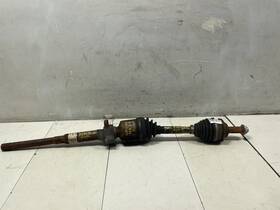
( Part Type: Axle Shaft ), ( Conditions Options: Has ), ( Genuine Oem: Yes ), ( Ipn: 447.fd2l10 ), ( Descriptionpartcondition: Has Rusty. Look, Enlarge And The Images In Detail For Veri )
Review LINCOLN Front Right Passenger Side Axle Shaft Oem fits MKZ AWD 2010
The Lincoln MKZ Front Right Passenger AWD Axle Shaft, model number 447.FD2L10, is a crucial component of the all-wheel-drive system in select 2010 Lincoln MKZ vehicles. This axle shaft is specifically designed for the front right passenger side of the vehicle, connecting the differential to the transaxle.
Measuring approximately 23.2 inches in length, this axle shaft is manufactured from high-strength steel, ensuring durability and reliability. It features a spline design on both ends, which securely attach it to the differential and transaxle. The splines provide a strong connection, enabling efficient power transfer between these essential vehicle components.
The axle shaft is also equipped with a CV (Constant Velocity) joint at each end, allowing for smooth and continuous rotation of the shaft as it transmits power from the transaxle to the differential. These CV joints are designed to minimize friction and wear, ensuring optimal performance and longevity.
Additionally, the axle shaft is sealed to protect it from contaminants such as water, dirt, and debris. This sealing prevents the intrusion of these elements, helping to maintain the performance and longevity of the axle shaft and the entire all-wheel-drive system.
When it comes to installation, this axle shaft is designed to be a direct replacement for the original equipment. This means that no modifications are required during installation, making the process straightforward and efficient for professional mechanics or experienced DIY enthusiasts.
In summary, the Lincoln MKZ Front Right Passenger AWD Axle Shaft, part number 447.FD2L10, is an essential component of the all-wheel-drive system in select 2010 Lincoln MKZ vehicles. It is manufactured from high-strength steel, features CV joints at each end, and is sealed to protect against contaminants. This axle shaft is a direct replacement for the original equipment, making installation straightforward and efficient.
Buying a Lincoln 2010 MKZ front right passenger AWD axle shaft involves considering several factors to help make an informed decision. Here are some pros and cons that might assist you in making a decision.
Pros:1. Improved Performance: A faulty axle shaft can lead to vibrations, noise, and reduced vehicle performance. Replacing it with a new one can help restore optimal performance.
2. Reliability: A new axle shaft can provide peace of mind, knowing that the component is functioning correctly, reducing the likelihood of unexpected breakdowns.
3. Safety: A worn axle shaft can increase the risk of vehicle instability, especially in an AWD system where power is distributed to all wheels. Replacing it can enhance overall safety.
Cons:1. Cost: Replacing an axle shaft can be an expensive repair, especially if it's an AWD vehicle. Labor costs and the price of the part itself can add up.
2. Complexity: AWD systems can be more complex to diagnose and repair than a standard rear-wheel-drive vehicle.
3. Availability: Finding the correct axle shaft for a specific make, model, and year can be challenging, and it may require ordering it from a dealer or a specialty parts supplier.
Conclusion:The decision to buy a Lincoln 2010 MKZ front right passenger AWD axle shaft ultimately depends on your personal circumstances. If you value improved performance, reliability, and safety, then the investment may be worthwhile. However, if you're concerned about the cost, complexity, and availability of the part, you may want to consider alternative solutions, such as repairing the existing axle shaft or exploring used or refurbished options.
Recommendation:If you decide to proceed with purchasing a new axle shaft, ensure that you obtain it from a reputable supplier to guarantee its quality and compatibility with your vehicle. You may also want to consider getting an estimate from a trusted mechanic to better understand the total cost of the repair and weigh the benefits against the expenses.
Details:
Standard Warranty.
specifications axlpar:
- for models: Awd, Mkz
- for makes: Lincoln
- for years: 2010
- part type: Axle Shaft
- conditions options: Has
- genuine oem: Yes
- ipn: 447.fd2l10
- descriptionpartcondition: Has Rusty. Look, Enlarge And The Images In Detail For Veri
general axlpar:
- Car Truck Parts Accessories > Transmission Drivetrain > Axle Housings Parts
- condition: Used
shipping axlpar:
- cost: $29.90
- transit: 4-8 Days
- type: Fixed
- carrier: USPS, UPS
- service: USPS Priority Mail, UPS Ground
- class: Expedited, Standard
offer axlpar:
- availability: In Stock
- started: September 10, 2025
- quantity: 1
- options: Ship-to-home
- best offers: True
- sold: 0
seller axlpar:
- # reviews: 7955
- city: Trenton, New Jersey
- rating: 97.8%
payments axlpar:
- wallet: Google-pay
- credit card: Visa
- other
returns axlpar:
- time: 30 Days
- policy: Returns Accepted
- paid by: Buyer
Lincoln Is Similar To:
- 56319v38363jjyp Cencore For Lincoln Continental Mercury Front Left Drive Side Cv (35.3% similar) Appreciate your understanding. Brand new 1 complete front driver side CV axle joint drive shaft assembly identification guide: features compressed length obj spline count 26 obj 35 type female application:the items works on the following model's: make model year range specifications details ford ...(October 8th, 2018)
- 7t433a427ae 7t4z3a428c Lincoln Rh Passenger Side Shaft Mkx Sku (47.4% similar) Grading of parts very subjective process but our best keep uniform. New fluids, filters, seal, and gaskets must be used in the installation of driveling component. Pay special attention to any options listed. Claims that result from the failure of other components. Any brackets are not included axle...(October 3rd, 2018)
- 8a834k138aa 8a8z4k138a Lincoln Rh Passenger Side Rear Shaft Mkt Sku (48.6% similar) XA0 this is on a case by basis. 30 off sale. XA0 these wheels are still guaranteed to be straight and true, just not the best looking. Flex 13 rear awd, thru claims that result from the failure of other components. XA0 b parts have average miles and condition for its age. XA0 b parts have more than ...(March 23rd, 2019)
- 905-540 Dorman Axle Support Bushing Fits Lincoln Navigator Oe 019495763895 (20.4% similar) Axle support bushing fits lincoln navigator doorman oe solutions price is for 1 - adjust qty as needed. Be extra careful that you are purchasing the right item so will not have any fitment issues...(July 6th, 2018)
- Cv6z4b416a Ford New Oem Rear Axle Differential Fluid Seal Lincoln Mercury (15.1% similar) Manufacturer part number: CV6Z4B416A identified in schematic if applicable. All of Tosca's top quality oem replacement parts are backed by a 12 month 12,000 mile warranty.: new oem rear axle differential fluid seal ford lincoln mercury CV6Z-4B416-A: brand new that is a direct factory replacement ...(November 11th, 2018)
- Dp5z-3b436-a Ford Lincoln Mkz Drive Axle Front Right Fwd Oem (45.1% similar) ...(September 28th, 2018)
- E6tz 4234-b Ford Lincoln Mercury Fomoco Nos Axle Shaft Lug Spline Ring (36.4% similar) New old stock ford axle shaft. This includes the studs and there is one bearing in box. This appears to be for F250, F350 and e series with inch rear axle, 35 spline. The original box is beat up but I will include it if need be. Part number on the box is E6TZ-4234-B...(October 21st, 2018)
- F5dz-7a191-a Ford Nos Lincoln Oem Continental Transaxle Gasket (32.6% similar) This nos part is in excellent condition from dry storage. This may fit other makes and model's not listed above. 6l nothing beats the quality and fit of a genuine ford part for your car or truck...(August 1st, 2018)
- F75z4628aa Ford Brand New Oem Rear Axle Component Cup Fits Lincoln (10.1% similar) Brand new oem rear axle component cup fits ford lincoln vehicles F75Z-4628-AA: brand that is a direct factory replacement for the listed in fitment guide below. Manufacturer part number: F75Z4628AA identified in schematic if applicable...(November 11th, 2018)
- Fd-8061 Surtrack For Lincoln Continental Front Driver Side Cv 844084020611 (35.4% similar) The product features a brand new construction with precision machined and heat treated center-shafts, CV joints, bearings races. 5 inboard joint type: female length mm: 566 location: front driver measurement compressed number of bolt holes: M20 the axle shaft by struck is torture tested to failure ...(August 16th, 2018)