GM 3977384 Rear Bolt Axle Shaft General 10.5
fits model: K2. make: Gmc, Chevy. year: 1974–2014.
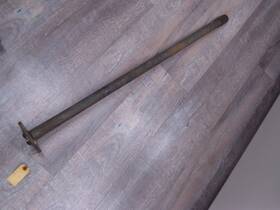
( Brand: Gm ), ( Manufacturer Part Number: 3977384 ), ( Part Type: Bolt Axle Shaft Motor ), ( Oe Spec Or Performance/custom: Oe Spec ), ( Drive Type: 4wd, Rwd ), ( Country Of Origin: United States ), ( Placement On Vehicle: Rear, Right )
Review GM General Motors Used Gmc Chevy Bolt 10.5 Rear Axle Shaft Oem fits K2 1974–2014
1974-1997 GM, Chevy, GMC 14 Bolt 10.5 Rear Axle Shaft K2
Description:This is a high-quality, replacement 10.5-inch rear axle shaft specifically designed for 1974 to 1997 GM, Chevy, and GMC vehicles equipped with a 14 bolt rear axle. The shaft is identified as a K2 type, which is a common and widely used design in these applications.
The shaft is precision engineered to meet or exceed OEM specifications for strength, durability, and performance. It is manufactured using high-grade steel and undergoes rigorous testing to ensure it can handle the demands of heavy-duty use.
Key features of this rear axle shaft include:* Precision-machined splines for a secure fit and smooth operation
* Heat-treated for added strength and longevity
* Chromoly material resists bending and breaking
* Greasable u-joints for long-lasting performance
* Protective coating to resist wear and corrosion
Installation of this axle shaft is straightforward, making it a popular choice for DIY enthusiasts. It is designed to be a direct replacement for the OEM part, ensuring a hassle-free installation process.
By choosing this 10.5-inch rear axle shaft K2, you'll be able to restore the performance and reliability of your 1974-1997 GM, Chevy, or GMC vehicle. It is an excellent investment for those seeking a durable, long-lasting solution for their axle shaft needs.
In summary, this 1974-1997 GM, Chevy, GMC 14 Bolt 10.5 Rear Axle Shaft K2 is a premium replacement part that offers superior strength, durability, and performance. It is precision-engineered to meet the demands of heavy-duty use and is a direct replacement for the OEM part, ensuring a hassle-free installation process.
Pros and Cons of Buying a 14 Bolt 10.5 Rear Axle Shaft (K2) for 1974-1997 GM, Chevy, and GMC Vehicles
Introduction:The 14 bolt 10.5 rear axle is a popular choice for upgrading the rear suspension on various GM, Chevy, and GMC vehicles from the 1974 to 1997 era. This axle is known for its durability and increased carrying capacity. In this article, we will discuss the key advantages and disadvantages of investing in a 14 bolt 10.5 rear axle shaft (K2) for your vehicle.
Pros:1. Enhanced Strength: The 14 bolt design provides greater strength and rigidity compared to the stock 12 bolt axles. This is crucial for heavy-duty applications, such as towing and off-road use.
2. Increased Capacity: The 10.5 axle ratio offers a better balance between power and fuel efficiency, making it suitable for both daily driving and performance applications.
3. Improved Handling: The stronger axle and improved geometry can lead to better handling and stability, especially when carrying a heavy load or towing a trailer.
4. Interchangeability: The 14 bolt 10.5 axle is compatible with a wide range of GM, Chevy, and GMC vehicles from the specified era, making it a versatile upgrade option.
Cons:1. Cost: The 14 bolt 10.5 axle is generally more expensive than the stock 12 bolt axles due to its increased strength and capabilities.
2. Installation Complexity: Installing a 14 bolt axle can be more complicated than a stock 12 bolt axle due to the additional bolts and different geometry. This may require additional time, tools, and expertise.
3. Weight: The 14 bolt 10.5 axle is heavier than the stock 12 bolt axle, which can affect fuel economy and overall vehicle performance.
Conclusion:The decision to purchase a 14 bolt 10.5 rear axle shaft (K2) for your 1974-1997 GM, Chevy, or GMC vehicle depends on your specific needs and priorities. If you require increased carrying capacity, improved handling, and the ability to tow heavy loads, the benefits of this upgrade may outweigh the costs and complexities involved. However, if you are looking for a budget-friendly option or prioritize fuel efficiency, the stock 12 bolt axle may be a better choice.
Recommendation:If you frequently tow heavy loads, carry a lot of cargo, or engage in off-road activities, investing in a 14 bolt 10.5 rear axle shaft (K2) can provide significant improvements in strength, handling, and capability. However, it's essential to consider the associated costs, installation complexities, and potential weight increase before making a decision. Consult with a trusted automotive parts supplier or mechanic for professional advice and guidance.
Details:
part #: 3977384 prices
- $135.00-$370.89
specifications axlpar:
- for models: K2
- for makes: Gmc, Chevy
- for years: 1974-2014
- brand: Gm
- mpn: 3977384
- part type: Bolt Axle Shaft Motor
- oe spec or performance/custom: Oe Spec
- drive type: 4wd, Rwd
- country of origin: United States
- placement on vehicle: Rear, Right
offer axlpar:
- sold: 0
- quantity: 1
- started: March 22, 2026
- availability: In Stock
- options: Ship-to-home
- best offers: True
seller axlpar:
- rating: 100.0%
- # reviews: 2075
- city: Bristol, Wisconsin
general axlpar:
- Car Truck Parts Accessories > Transmission Drivetrain > Axle Housings Parts
- condition: For parts or not working
returns axlpar:
- paid by: Seller
- time: 30 Days
- policy: Returns Accepted
payments axlpar:
- credit card: Mastercard
- other
- wallet: Paypal
shipping axlpar:
- cost: $0.00
- class: Economy
- transit: 3-6 Days
- type: Calculated
- carrier: FedEx
- service: FedEx Ground Economy
Gm 3977384 Is Similar To:
- 03977383 Gm Genuine Rear Axel (36.5% similar) Please look at picture too see condition and what is included. Genuine Gm left side rear axle shaft. Should fit blazer, C10 C20 C30 C1500 C2500 C3500 K10 K20 K30 K1500 K2500 K3500 P20 P30 R10 R20 R30 R1500 R2500 R3500 V10 V20 V30 V3500 this is brand new old stock...(November 23rd, 2017)
- 10221921 Gm Cadillac Oem Rh Passenger Side Axle Shaft Halfshaft Used (32.5% similar) Came off of a 2011 Cadillac CTS-v with 80K miles. Part is in good working order...(March 3rd, 2018)
- 10382154 Gm Axle Shaft Saturn Ion Passenger Front Automatic Opt (25.5% similar) Warranty is for replacement of the part only and does not include any towing, labor, fluids, seals or gaskets. Territories outside of the continental us. Frame distributors 6 door electric glass mirrors doors motor 32 engine ecm engines exhaust manifolds fan clutch 79 fog lights front drive fuel ...(March 21st, 2019)
- 108-gm-o-33 Driveshaft Shop Dss Spline Billet Axle Stub Head Capacity (19.4% similar) ...(October 30th, 2018)
- 11611964 Gmc New Oem Gm (23.9% similar) Oem parts ensure the best fit and materials. New, high quality, oem Gm part...(September 16th, 2017)
- 12334861 Gm Oem Front Shaft Bearing (29.8% similar) Est, Mon to Fri. All airbag modules are also non returnable...(August 11th, 2018)
- 12471586 Gm Oem Front Drive (15.9% similar) Oem front drive axle seal Astor bravado jimmy S10 safari Sonora Gm new up for sale is an pair of seals AWD, blazer 4WD, bravado, 1997 -2001JIMMY and 4WD. This is for two seals and will fit left or right...(November 1st, 2017)
- 12471646 Gm Oem Axle Shaft Bolt (30.8% similar) ...(August 6th, 2018)
- 12472859 General Motors Nos Gm Truck Alignment Cam Part (41.1% similar) 6l v8 - . V8 - electric , hybrid PLATINUM6. V8 - electric FLEXGMCYUKON2011DENALI hybrid, HYBRID6. V8 - electric FLEXGMCYUKON2010DENALI hybrid, HYBRID6. V8 - electric 15002010HYBRID6. 2WD, with torsion bar, 1500 series. 6l v8 - DIESELGMCYUKON2013DENALI hybrid, HYBRID6. 2WD, 1/2 ton. V8 - electric . ...(March 3rd, 2018)
- 12479175 Gm Oem Shaft (22.4% similar) Est, Mon to Fri. All airbag modules are also non returnable...(August 11th, 2018)